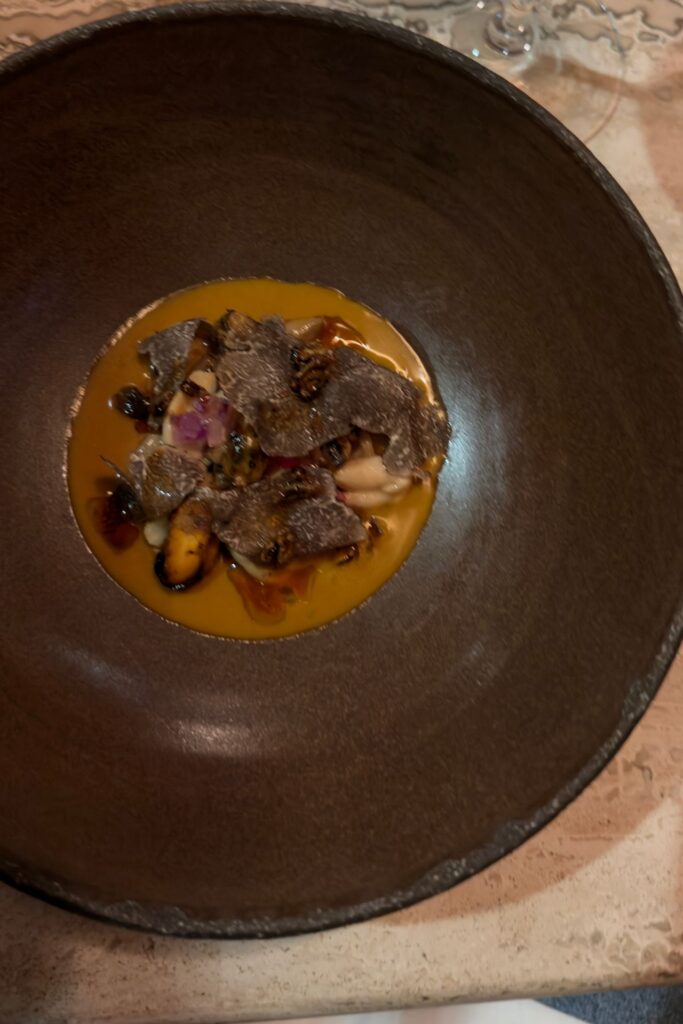
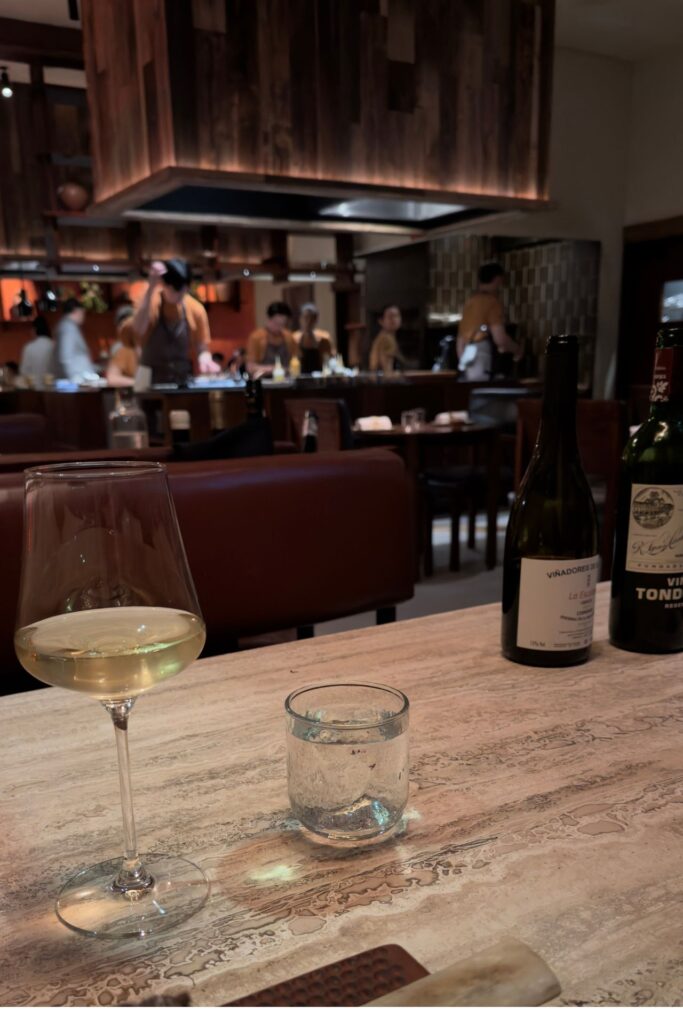
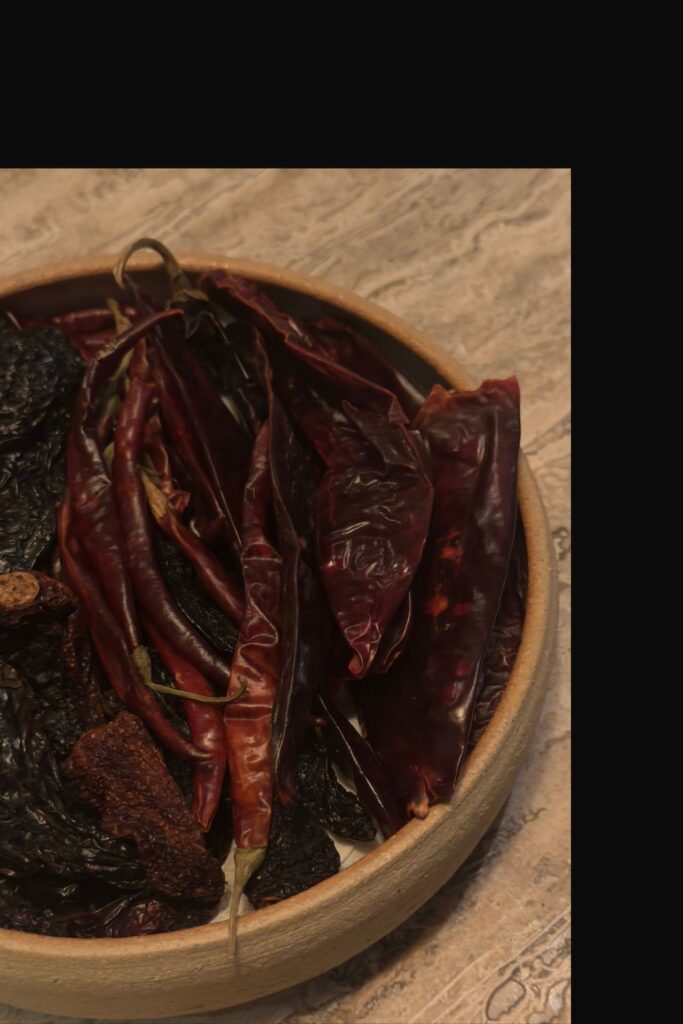
On a recent trip to London, we had the pleasure of dining at several incredible restaurants across the city. Three in particular stayed with us: Ikoyi, KOL, and Caractère.
Each offers a completely different experience, but all three share a clear sense of identity — from the atmosphere of the room to the way the evening unfolds.
Rather than reviewing the food itself, these are simply observations from spending time in some of London’s most thoughtful dining spaces.
London | 2026
Ikoyi
180 Strand — London
Ikoyi is one of the most fascinating restaurants in London right now. Opened by chef Jeremy Chan and partner Iré Hassan-Odukale, the restaurant has earned international recognition, including two Michelin stars.
The cuisine builds West African spice traditions around British micro-seasonality. Instead of importing ingredients to recreate traditional dishes, the kitchen works closely with producers across the UK and builds flavor around what is available locally.
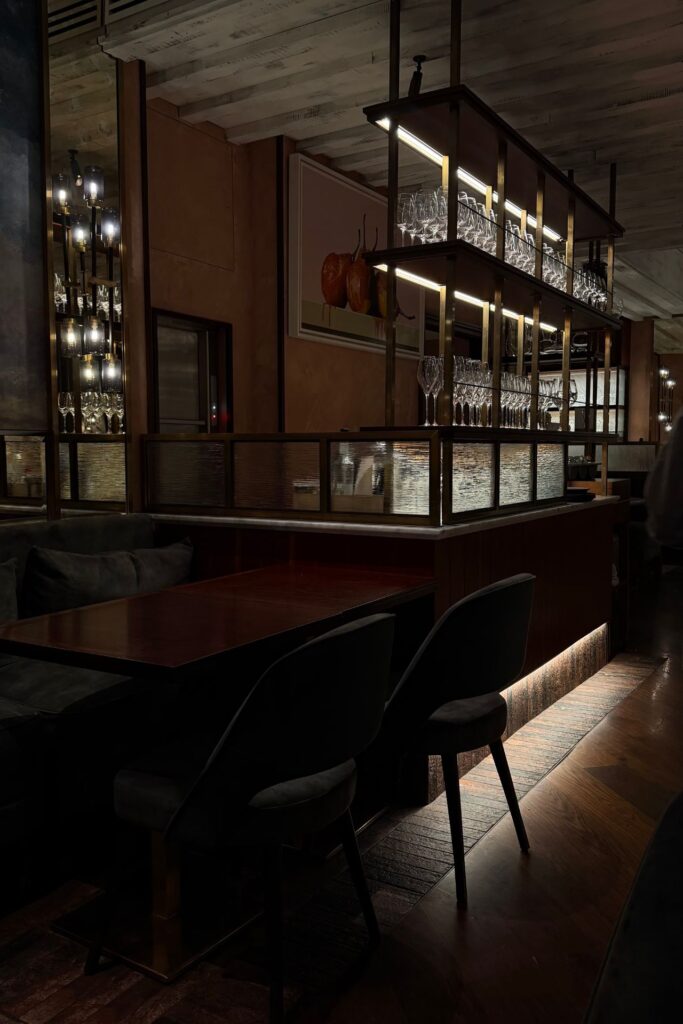
The dining room itself feels intentionally restrained. The space has a slightly brutalist character — dark materials, minimal decoration, and lighting that focuses directly on the plate. The room almost fades away so the food becomes the center of attention.
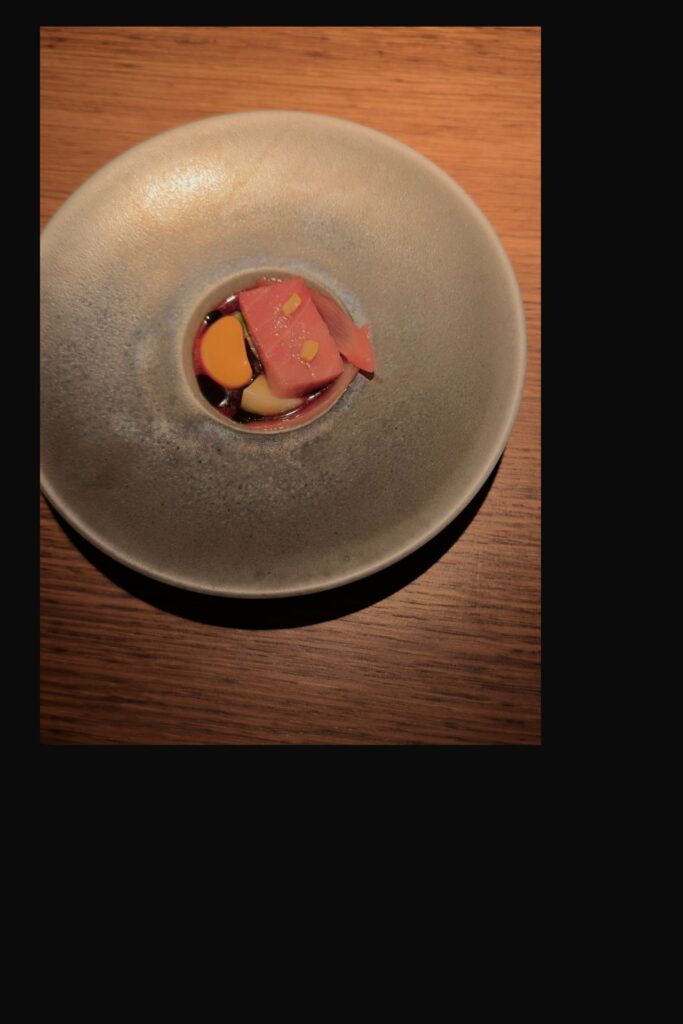
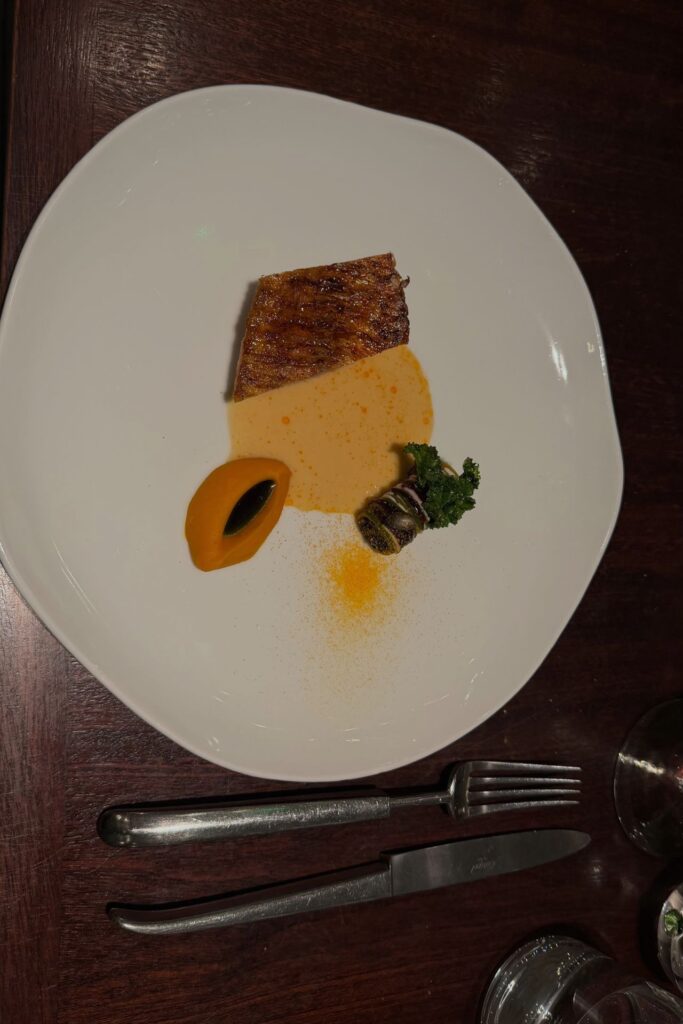
One of the most interesting parts of the experience is that you don’t always know exactly what you’re eating at first. The dish arrives, you taste it, and only after finishing does the team explain the ingredients and inspiration behind it. It creates a moment of curiosity and discovery with each course.
Service is incredibly attentive throughout the meal. Plates are replaced almost immediately after finishing a course, keeping the table minimal and focused.
At the end of the evening, guests are given the menu to take home — a small but memorable gesture that makes the experience feel thoughtful and persona
Caractère
Notting Hill
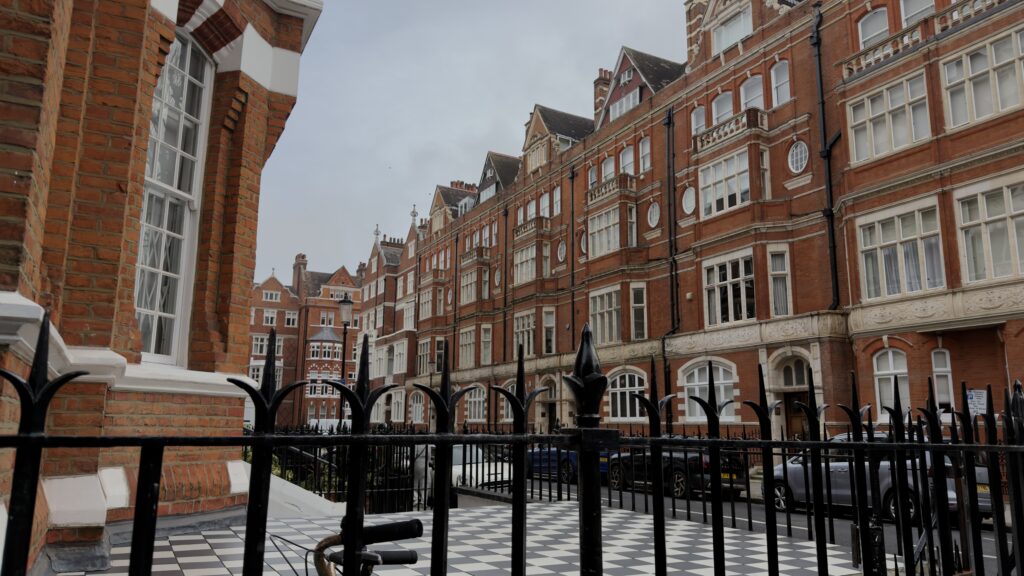
Located in the heart of Notting Hill, Caractère offers a completely different type of atmosphere. The Michelin-starred restaurant is led by Emily Roux and Diego Ferrari and feels warm, welcoming, and quietly refined.
The interior reflects that same tone. Soft lighting and elegant materials create a dining room that feels intimate without feeling formal. It’s the kind of place where dinner naturally turns into a long conversation.
What makes the concept interesting is the way the menu is structured. Instead of traditional course categories, dishes are organized around personality traits, encouraging diners to approach the meal in a slightly different way.
One memorable moment comes at the end of the meal. Guests are invited into another room for dessert, creating a small transition that adds an element of surprise to the experience.
It’s a simple detail, but it makes the evening feel thoughtfully designed from beginning to end.
KOL
Marylebone
KOL might be the most surprising of the three restaurants. Led by chef Santiago Lastra, the restaurant explores Mexican cuisine through the lens of British ingredients.
As someone from Mexico, I tend to avoid Mexican restaurants outside of the country. Authenticity can be difficult to replicate. But KOL approaches the cuisine differently. Rather than trying to recreate Mexican dishes exactly, the restaurant interprets them using ingredients sourced locally in the UK.
The result is impressive. While the ingredients come from the surrounding region, the flavors and techniques still clearly reflect Mexican culinary traditions.
The dining room reflects that same philosophy. Natural materials and earthy tones create a space that feels grounded and relaxed, allowing the food to remain the focus.
At the end of the meal, guests are surprised with an experience I can’t give away — but the moment unexpectedly reminded me of evenings in Mexico City.
A Note on the Experience
What makes restaurants like these memorable isn’t just the food. It’s the level of intention behind every detail. The lighting, the materials in the room, the pacing of service, the storytelling behind the ingredients — all of it contributes to the overall experience.
In many ways, these restaurants operate like artists working within a craft. Every decision shapes how a guest remembers the evening.
From a marketing perspective, this is what makes hospitality so powerful. The most successful restaurants don’t rely only on promotion — they build environments and moments that people naturally want to talk about and share.
Places like Ikoyi, KOL, and Caractère remind us that great hospitality is ultimately about creating something people remember long after they leave the table.