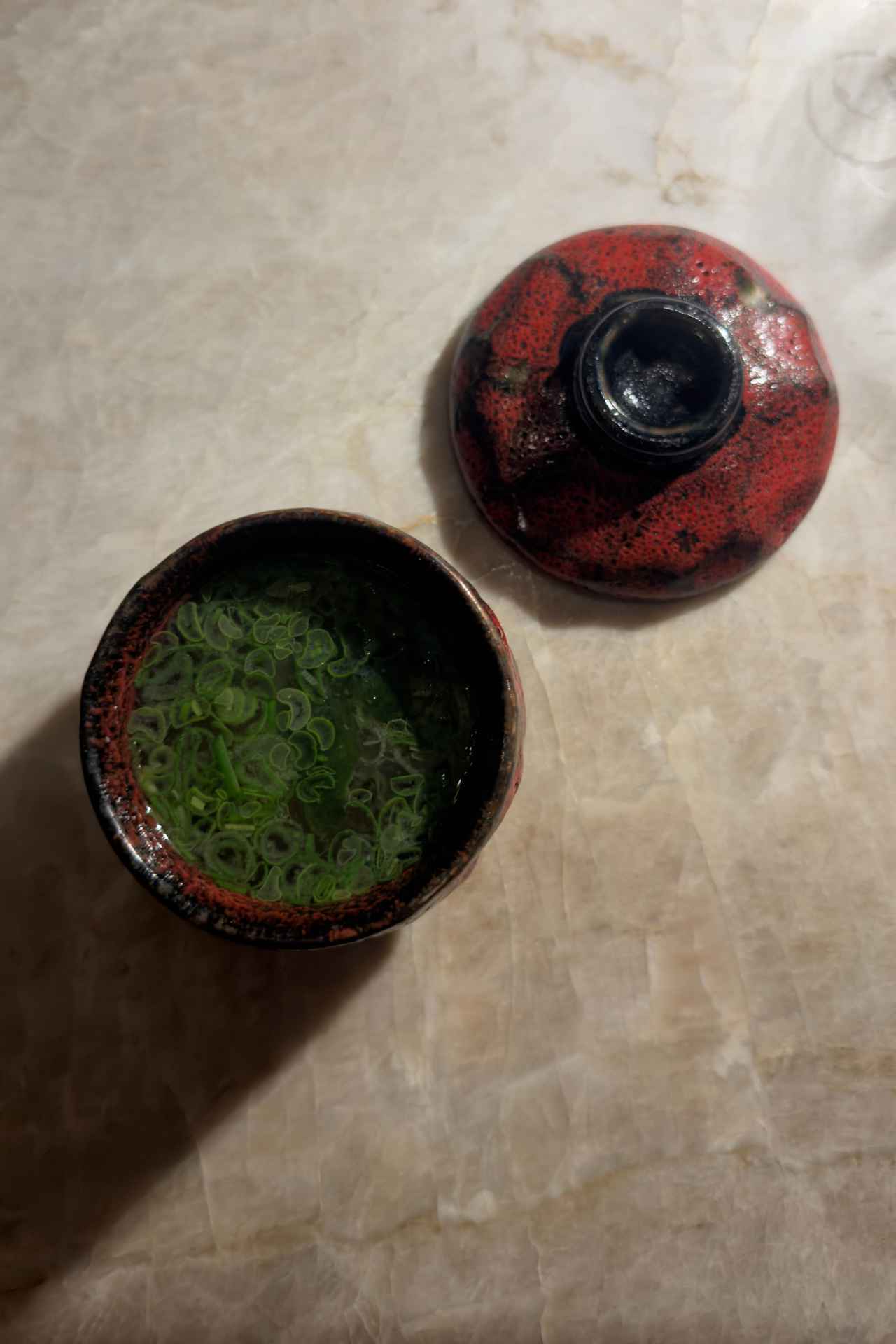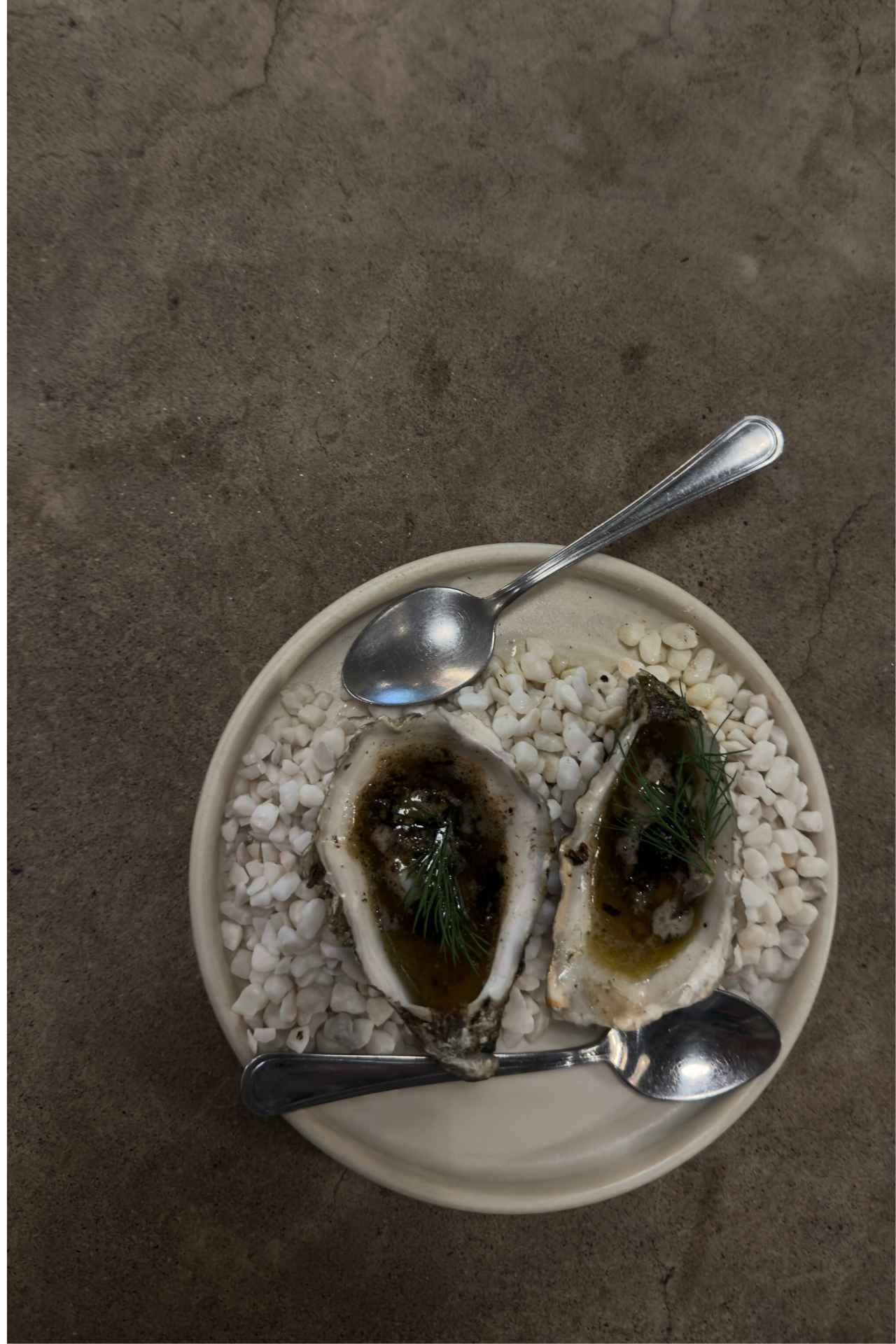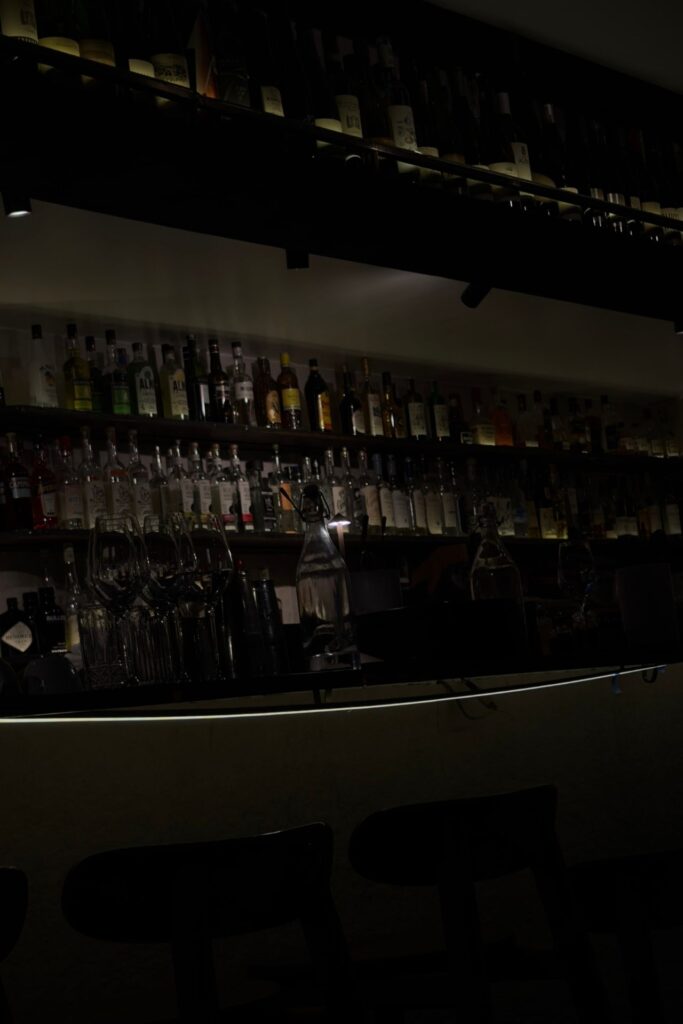
Mexico City doesn’t seem particularly interested in giving hospitality one definition.
Within the same city, a restaurant can occupy a former mechanic’s workshop, disappear into a garden, seat only ten guests, preserve a centuries-old building, revolve around an open kitchen, or turn waiting for a table into part of the night.
That’s what makes the city interesting to us.
At PO Studios, we look at hospitality beyond food. We’re interested in the entire ecosystem surrounding an experience: architecture, branding, service, music, cultural relevance, neighborhood, storytelling, and the small decisions that determine how a guest feels in a space.
So this isn’t another ranking of the best restaurants in Mexico City.
Instead, we looked at fourteen concepts—from institutions that have been part of the city for decades to openings from 2026—and asked a different question:
What can the hospitality industry learn from Mexico City right now?
One of the clearest lessons from CDMX is that architecture isn’t simply the container for a hospitality concept.
Sometimes, the architecture is part of what you’re selling.
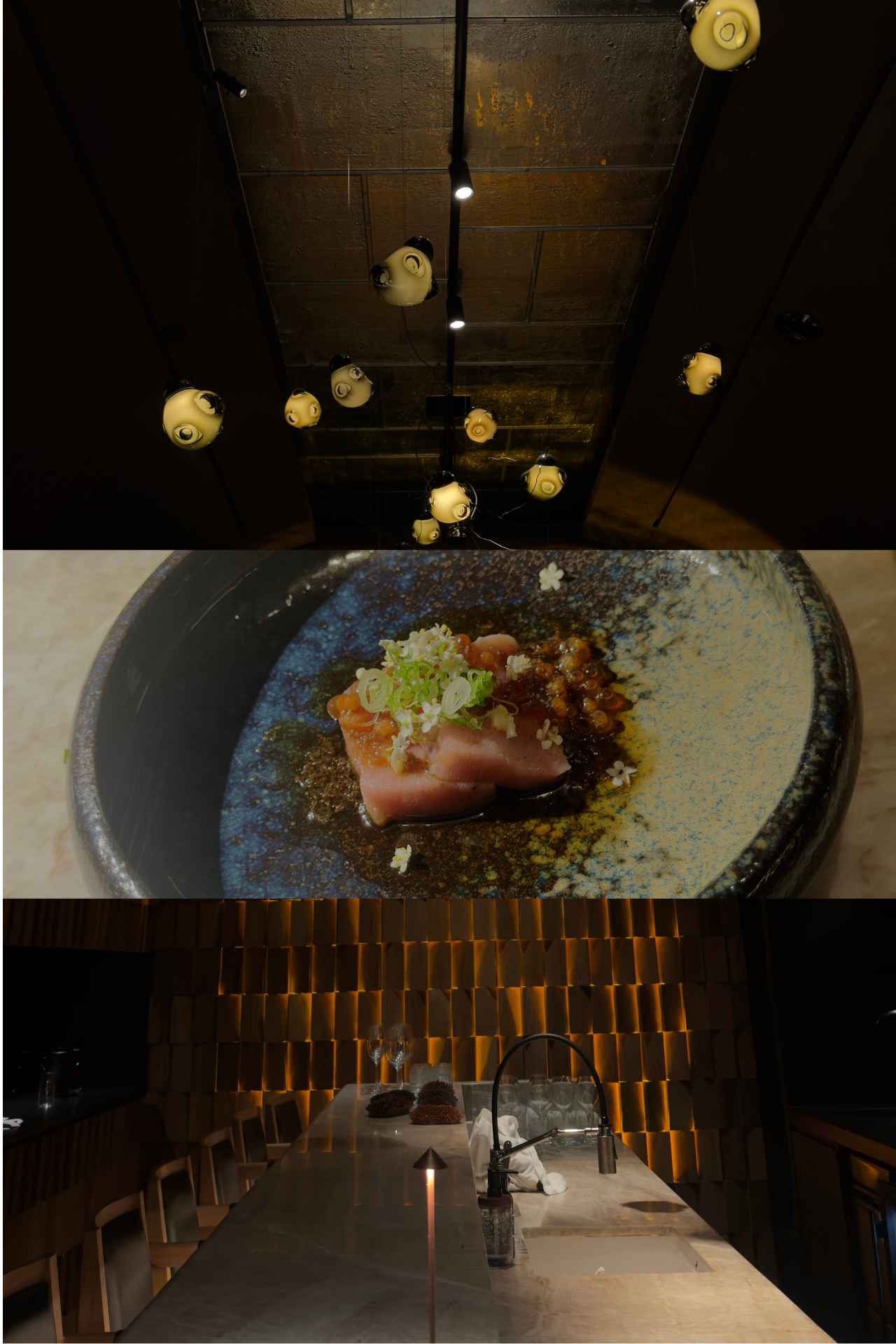
Inside the Four Seasons Mexico City, OMA takes this idea almost to its extreme.
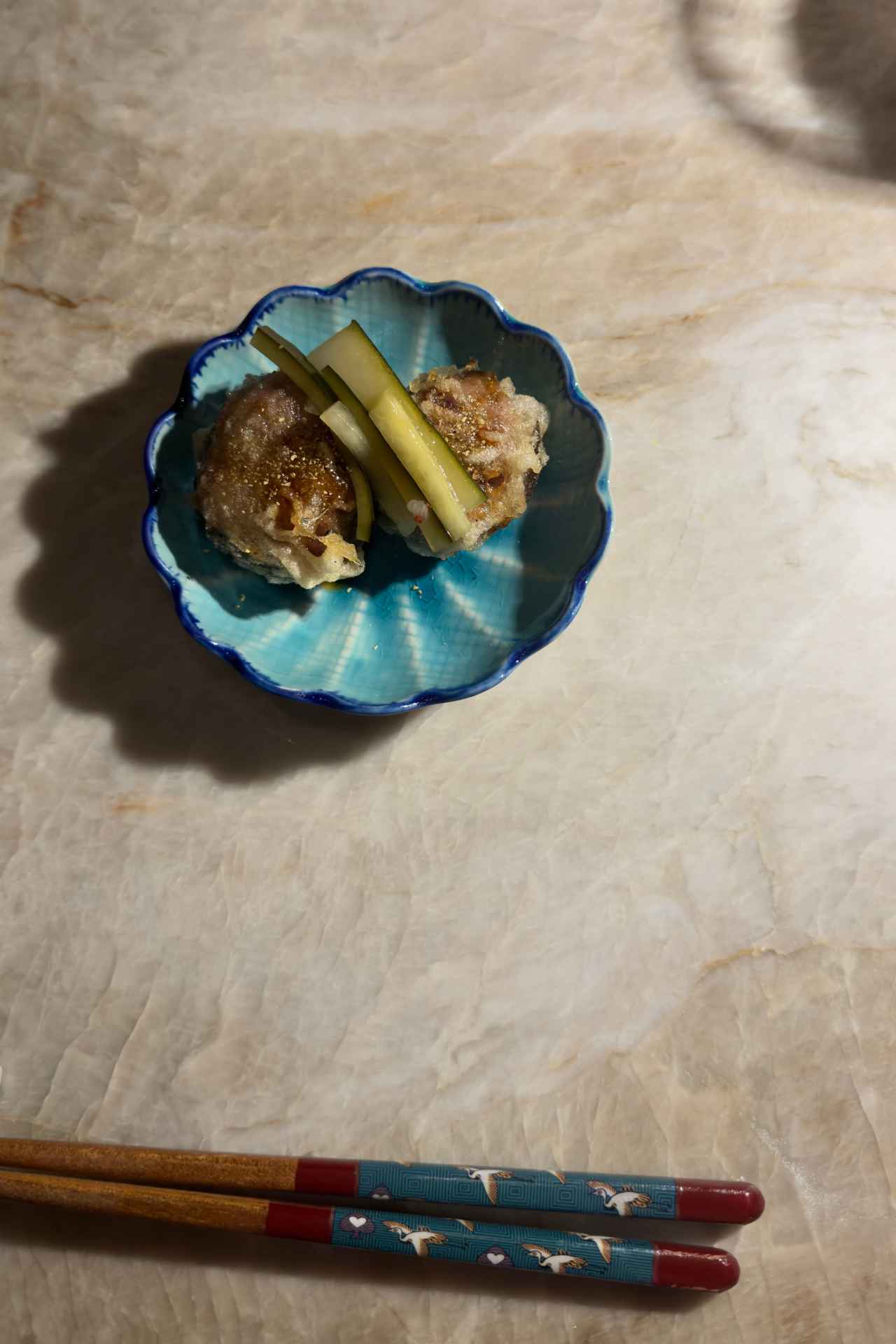
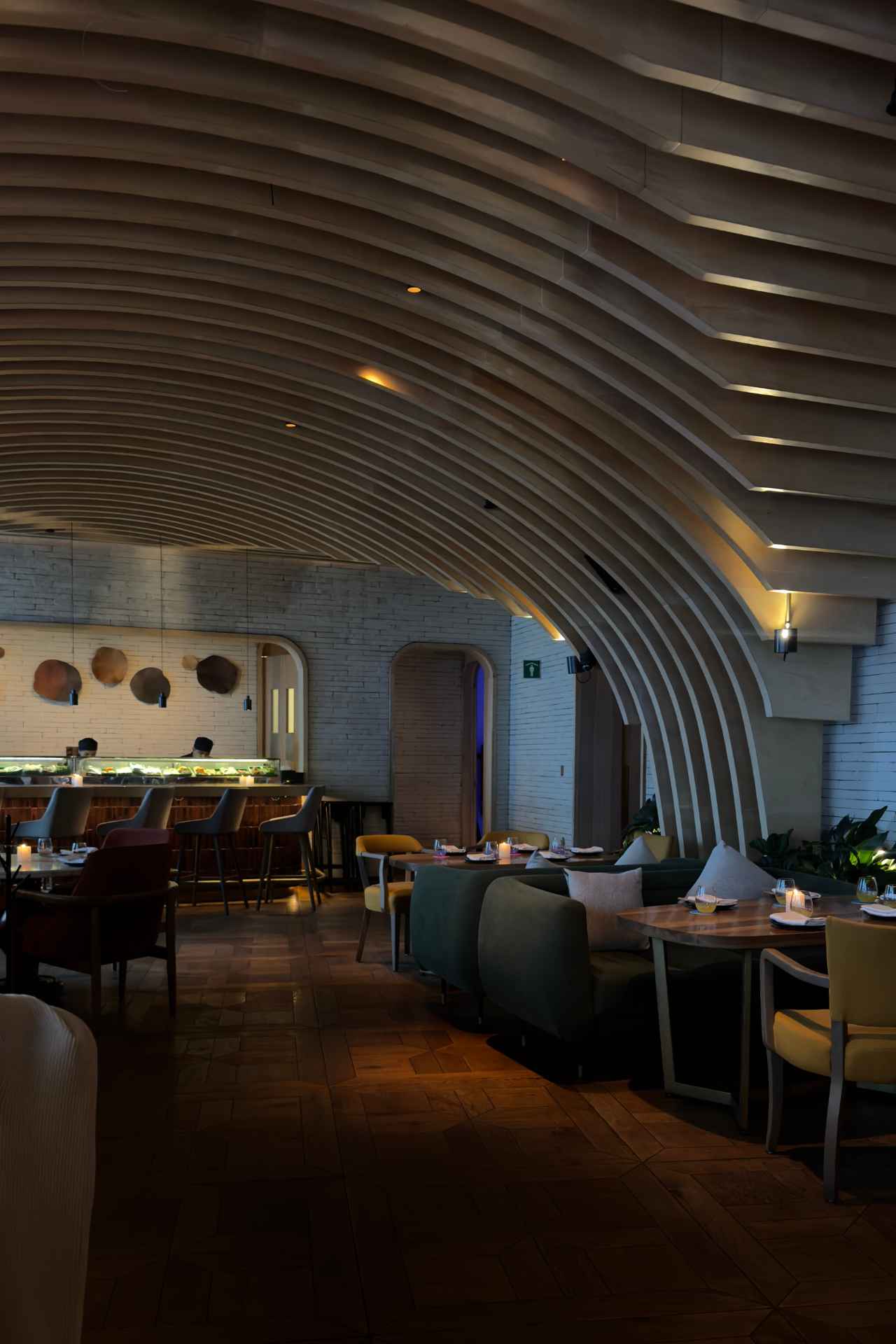
The restaurant occupies just 45 square meters and serves only ten guests—eight at the counter and two in a private booth. The space, designed by Ezequiel Farca, takes inspiration from the Japanese legend of Urashima Tarō, translating the idea of an underwater palace through vaulted ceilings, subdued lighting, rosewood, and an enclosed environment that intentionally turns away from the activity of the larger hotel.
That intimacy changes everything.
With only ten guests, architecture, service, chef interaction, and food become almost impossible to separate.
Worth studying: Smaller doesn’t necessarily mean less valuable. Restriction itself can create exclusivity, intimacy, and attention.
La Bellezza takes almost the exact opposite approach.
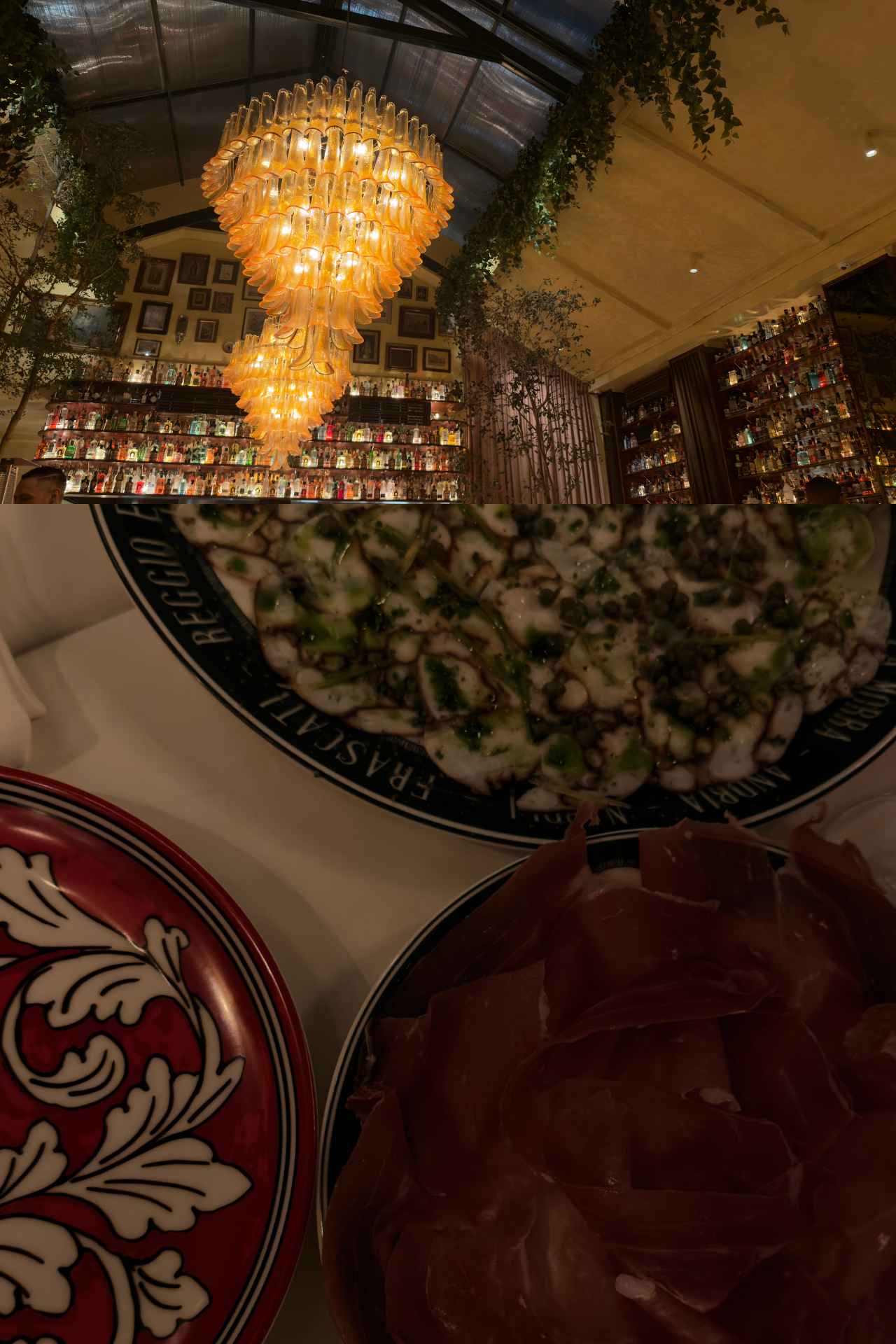
Big Mamma Group’s first Latin American restaurant arrived in CDMX in 2026 with a deliberately theatrical environment: Murano glass chandeliers, thousands of wine bottles, greenery, multiple visual worlds, and even a hidden bar with a giant disco ball.
Minimalism isn’t the only route to sophisticated hospitality.
Sometimes abundance, humor, color, and spectacle are the brand.
Worth studying: A restaurant can create anticipation before the food arrives simply by giving guests something to discover.
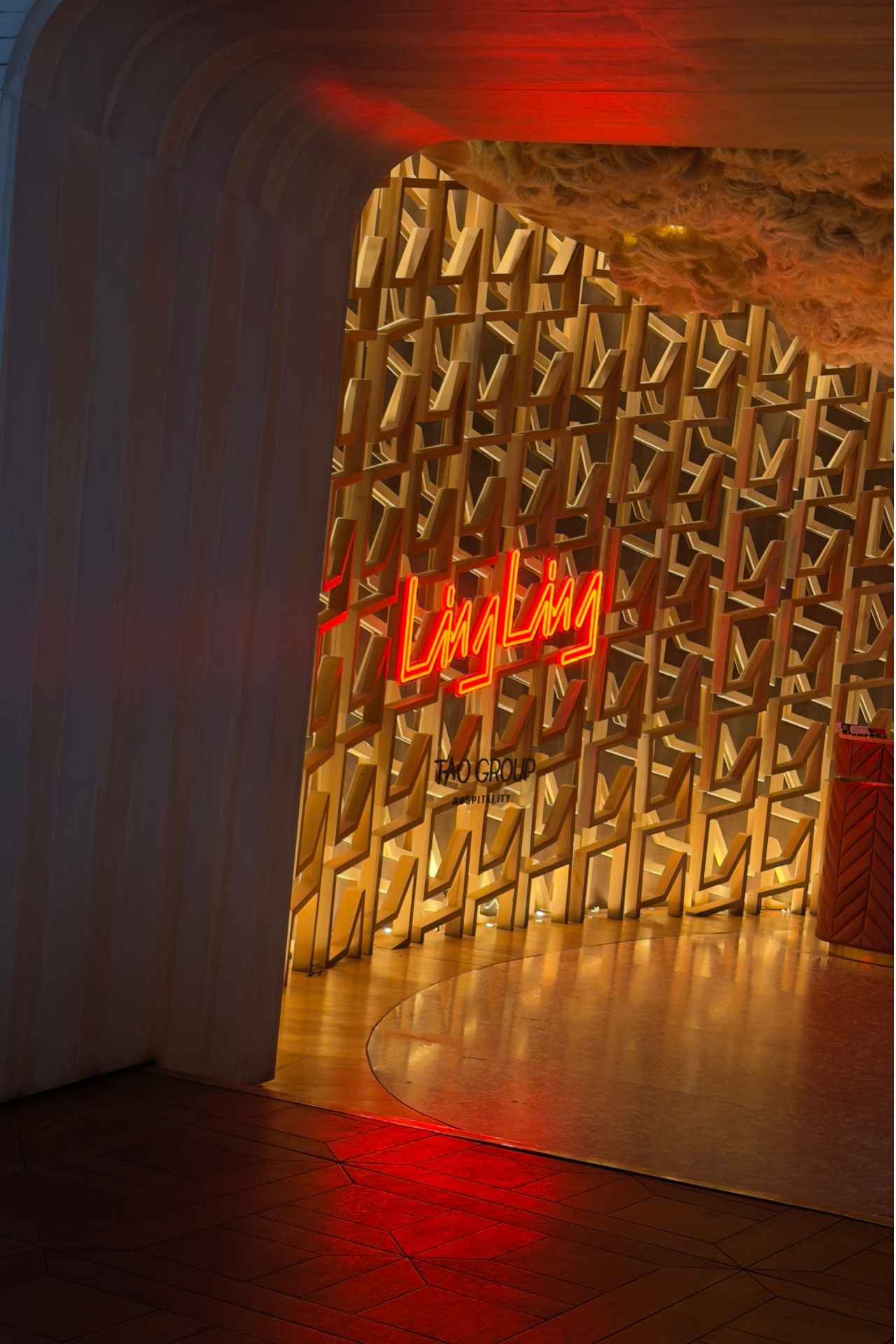
At Ling Ling, the architecture has a different job.
The view does much of the storytelling.
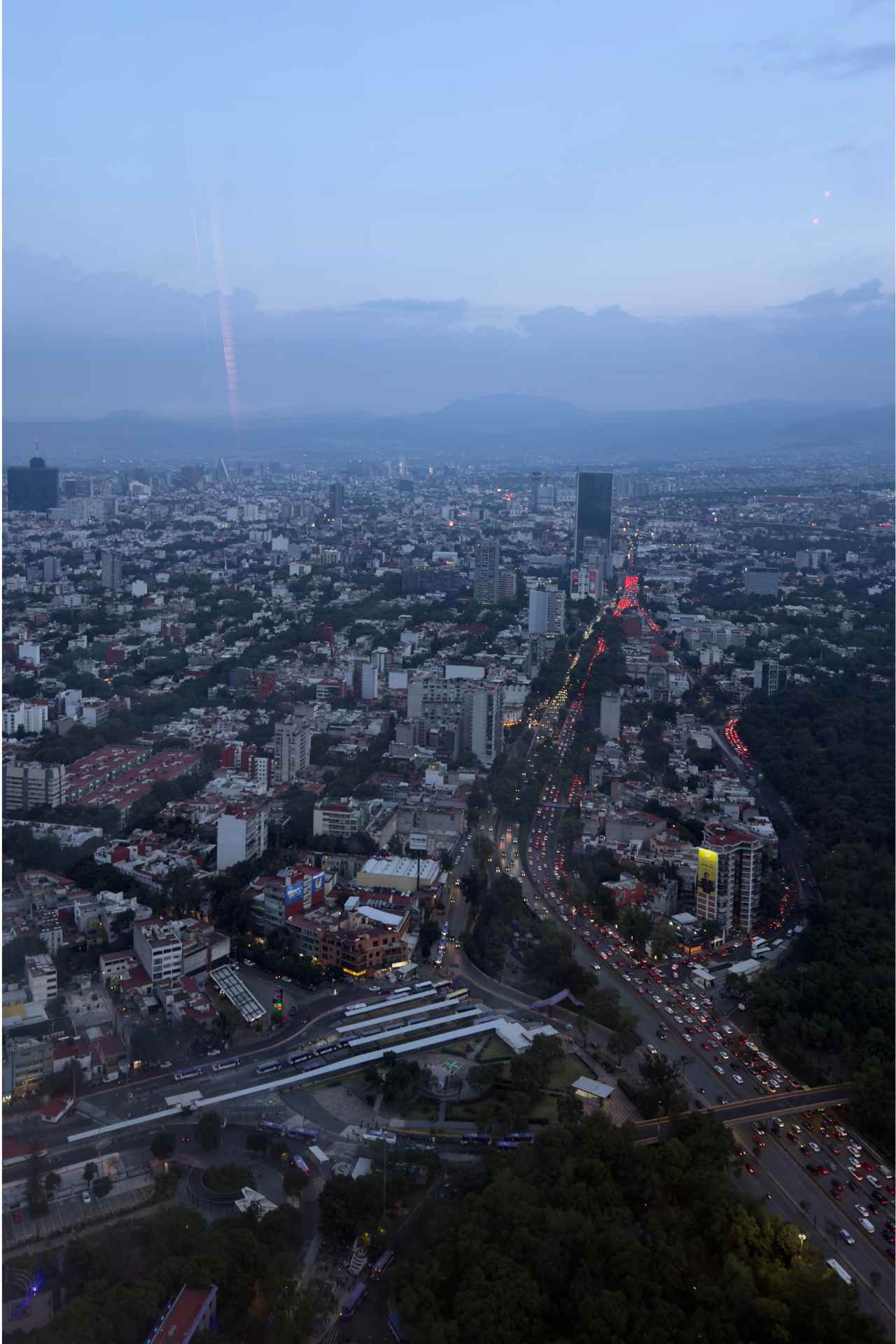
High above Paseo de la Reforma, the restaurant uses Mexico City’s skyline as part of its visual identity. It isn’t necessarily the most locally rooted concept in this guide—and that’s actually why it’s interesting.
Hospitality doesn’t always have to recreate local culture inside the room.
Sometimes the city outside the window is enough.
Worth studying: Location can be one of a hospitality brand’s strongest visual assets.
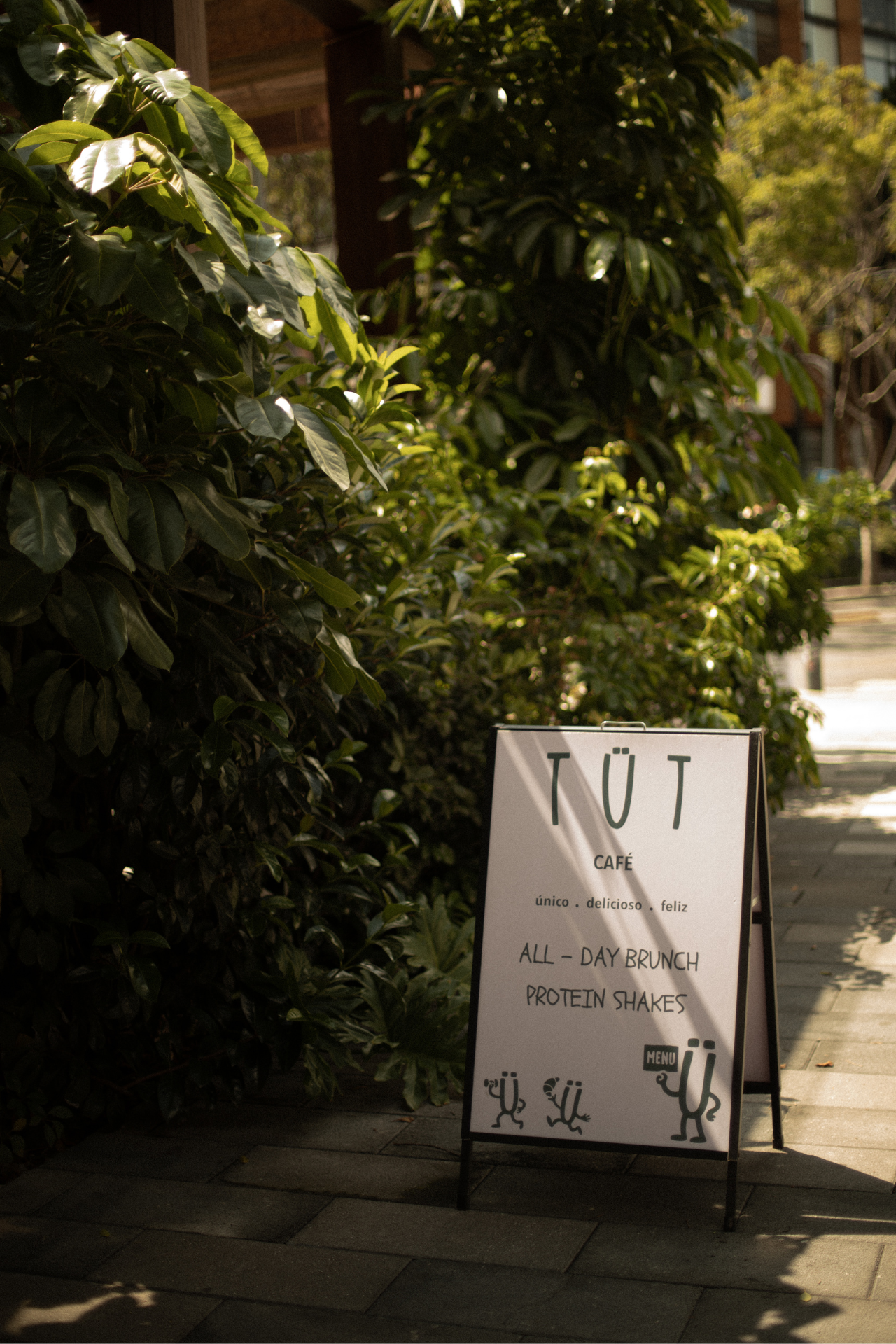
TÜT represents something smaller and more approachable.
The all-day café uses contemporary architecture, greenery, indoor-outdoor space, specialty coffee, house baking, and a slower pace to create an urban refuge. The concept intentionally encourages guests to stay rather than treating coffee as a quick transaction.
The research also points to the way contemporary concrete, microcement, black ironwork, and heavy planting work together to create the café’s identity.
Worth studying: Branding is strongest when you can feel it without seeing the logo.
Mexico City has something new developments can’t manufacture:
history.
And some of its most interesting hospitality concepts don’t erase it.
Voraz may be one of the clearest examples.
The Roma Sur gastro-cantina occupies a former automotive workshop more than 60 years old. Instead of disguising that history, the concept preserves the raw concrete, utilitarian character, original signage, and industrial identity of the building.
Then it introduces contemporary Mexican cooking, white tablecloths, live fire, and an open kitchen into that environment.
The contrast is the point.
Worth studying: Sometimes the strongest design decision is deciding what not to redesign.
Casa de los Azulejos represents adaptive reuse on an entirely different timeline.
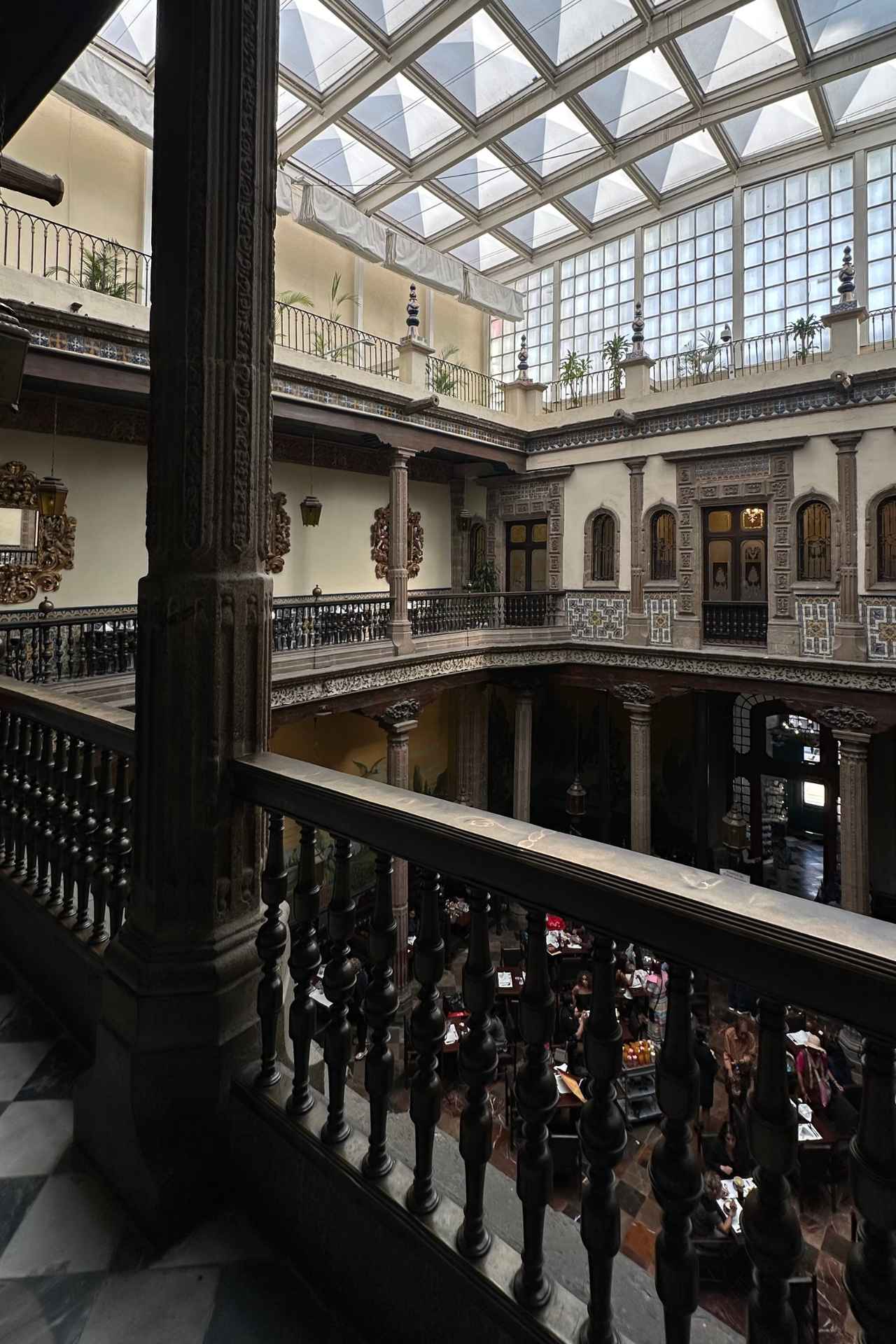
Here, hospitality exists within one of Mexico City’s most recognizable historic buildings. The experience is inseparable from the architecture and the generations of people who have passed through it.
It reminds us that a hospitality destination doesn’t always need reinvention to remain relevant.
Sometimes preservation is the experience.
Worth studying: Heritage can be more powerful than novelty when guests understand the story behind the space.
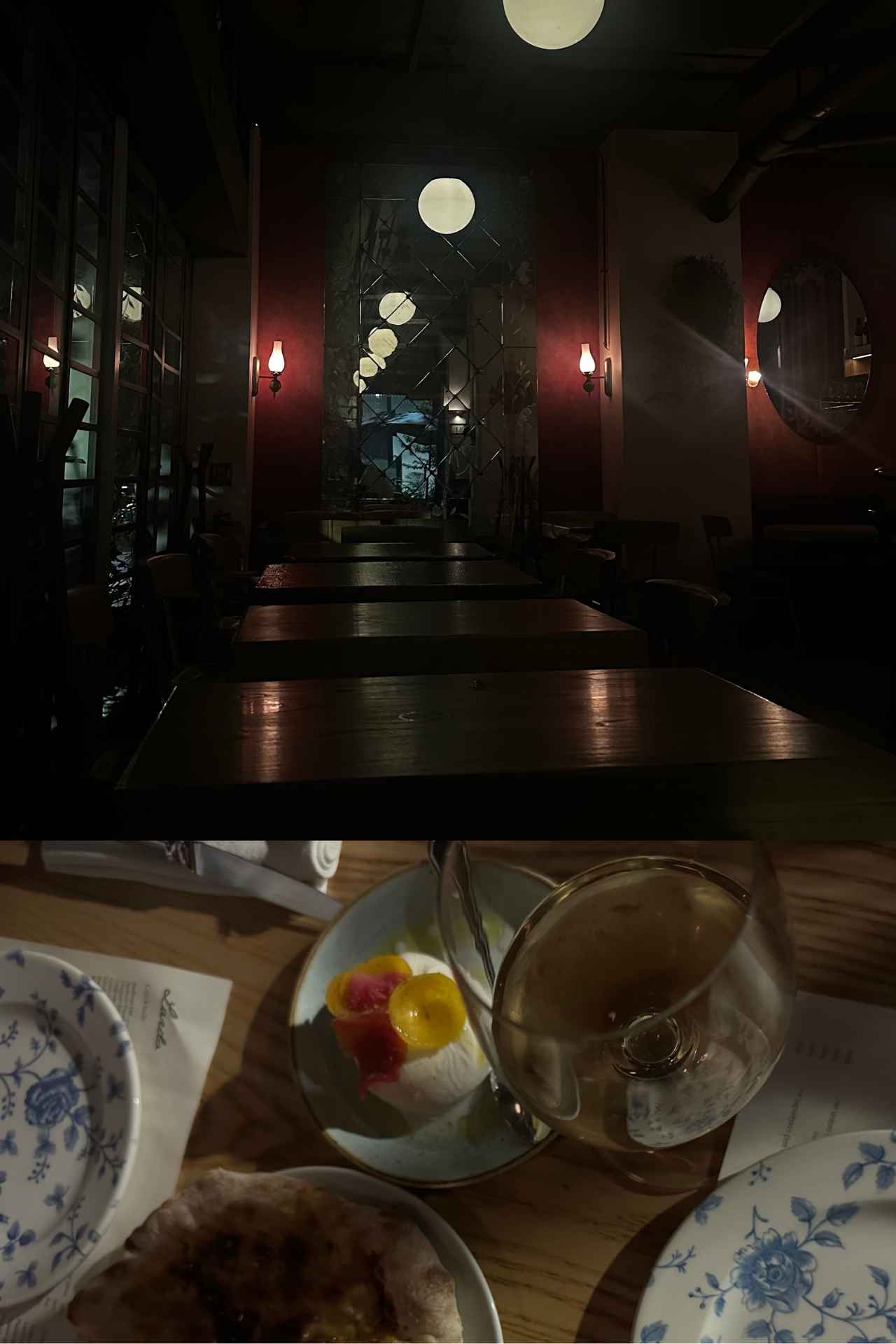
Elena Reygadas’ Lardo approaches reuse more quietly.
The concept emphasizes an informal neighborhood experience, sharing, an open kitchen, a wood-burning oven, and communal seating rather than the separation associated with formal dining.
The lesson isn’t simply preservation.
It’s making existing architecture work for contemporary social behavior.
Worth studying: Adaptive reuse works best when old buildings aren’t treated like museums.
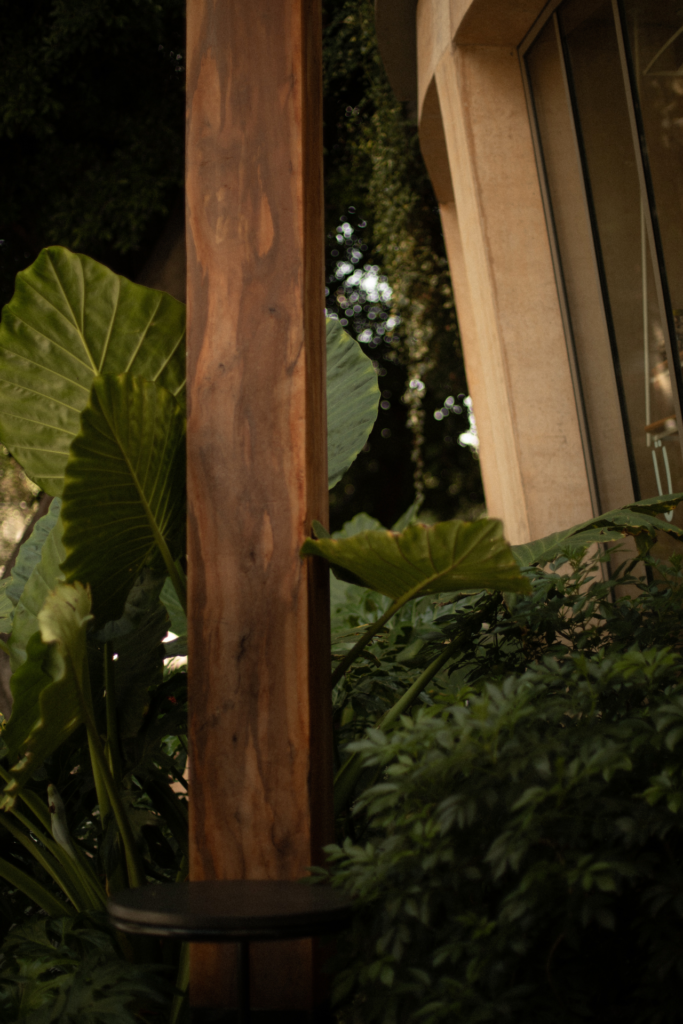
Plants are everywhere in hospitality right now.
But there’s a difference between decorating with plants and designing around nature.
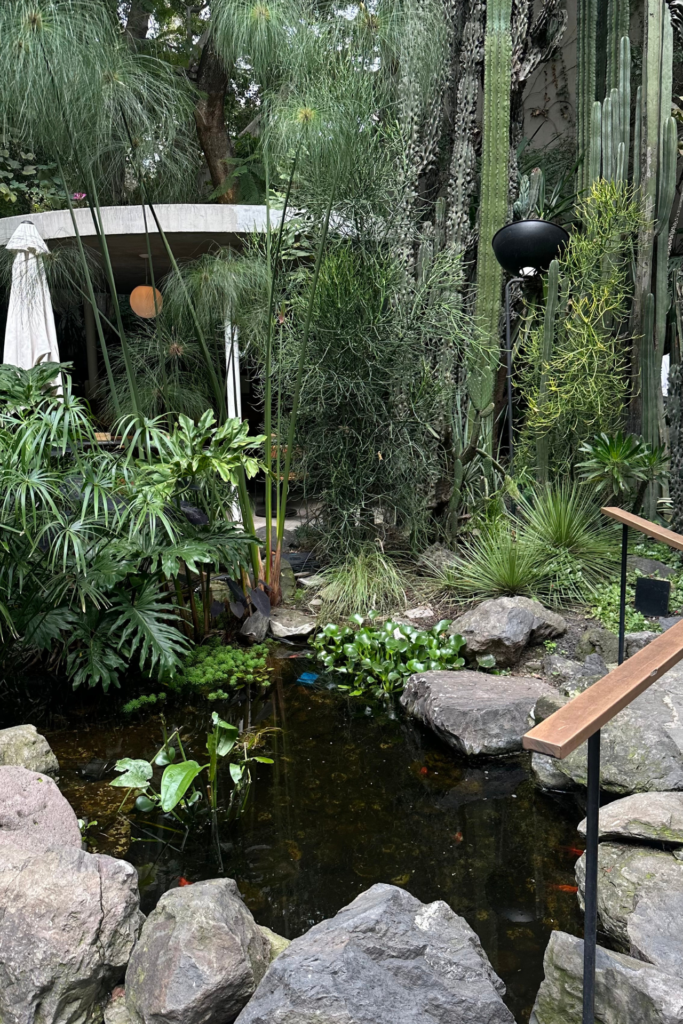
Botánico is the strongest example in this guide.
The restaurant’s outdoor courtyard isn’t an accessory to the concept—it effectively is the main dining room.
Towering decades-old cacti, tropical plants, natural materials, water, and even axolotls create an environment where architecture and landscape blur together.
The restrained branding allows the greenery and physical environment to carry much of the visual identity.
That’s what makes Botánico interesting from an industry perspective.
Nature isn’t there because plants photograph well.
Nature determines how the restaurant feels.
Worth studying: Biophilic design works when nature changes guest behavior—not when greenery is simply added for aesthetics.
TÜT offers a smaller-scale version of the same lesson: greenery softens contemporary architecture and creates separation from the density of Roma.
Different scale. Similar principle.

For decades, hospitality architecture often hid the kitchen.
CDMX increasingly seems interested in doing the opposite.
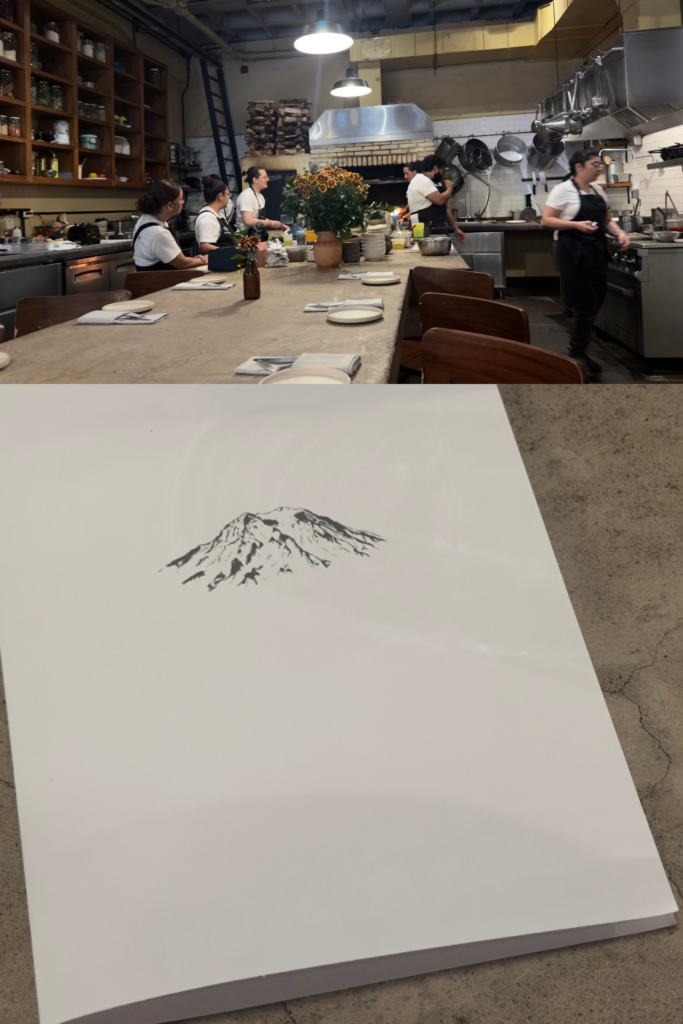
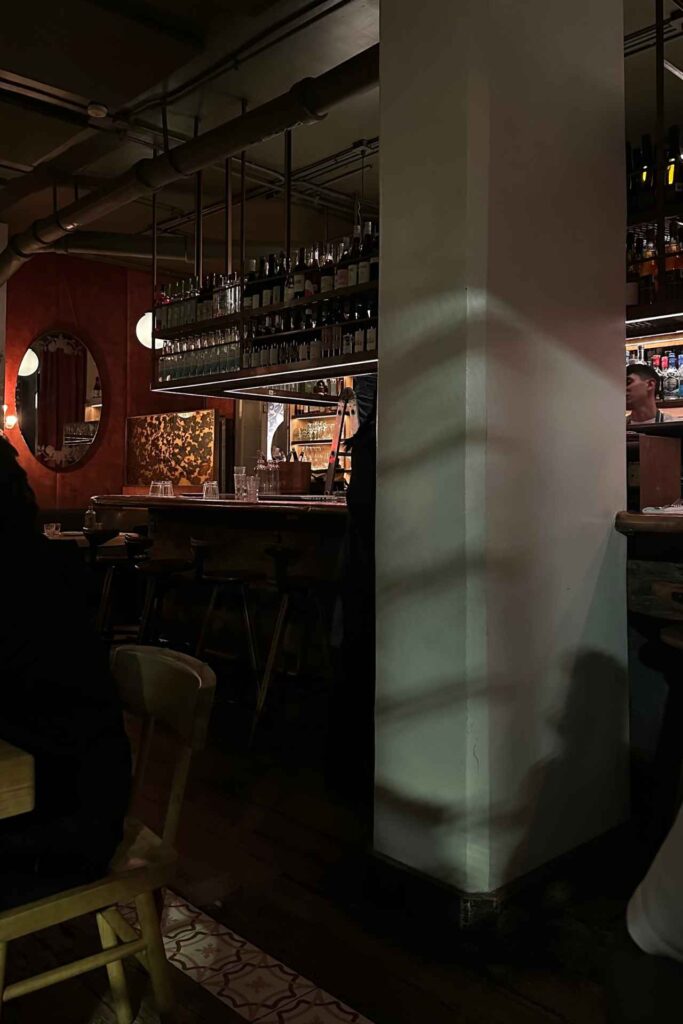
Marmota centers its space around a wood-burning hearth and communal dining table. Chefs Federico Patiño and Poppy Powell brought inspiration from their time cooking in the Pacific Northwest, combining that approach with Mexican farmers, producers, seafood, fermentation, and seasonal ingredients.
The open kitchen changes how guests understand the meal.
You see the fire.
You see movement.
You see preparation.
You begin appreciating a plate before it reaches the table.
The architecture reinforces that openness through timber, brick, iron, stone, and a layout that puts the hearth at the center.
Worth studying: Transparency can become theater.
Voraz similarly uses an open live-fire kitchen against the raw environment of its former workshop, while Lardo uses its wood-burning oven and open kitchen to remove barriers between diners and cooks.
The kitchen doesn’t have to be backstage anymore.
One of our favorite hospitality lessons from CDMX has almost nothing to do with food.
It’s about what happens around it.
Choza challenges the idea that the guest experience begins once you’re seated.
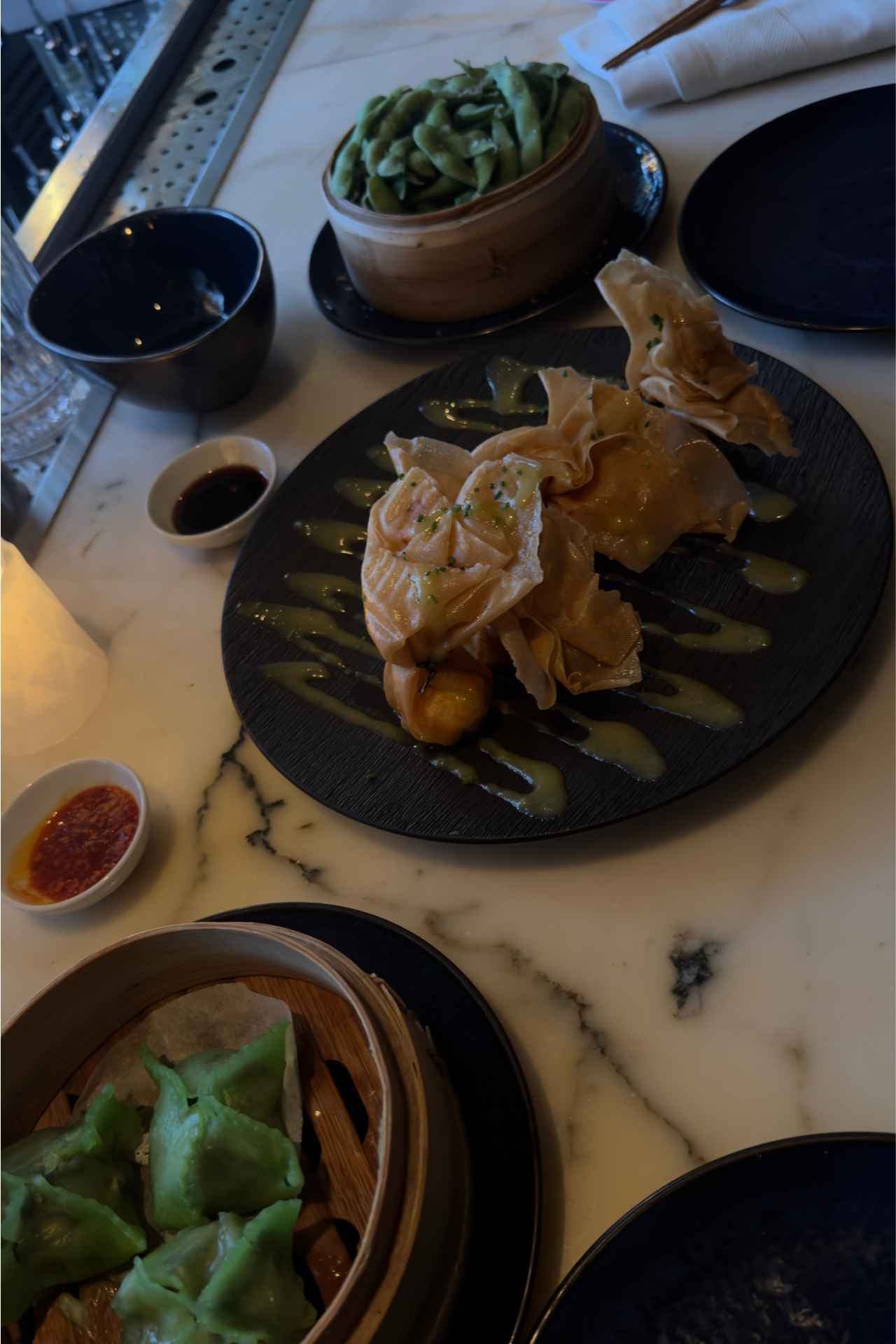
During our own visit, we entered the listening room, grabbed a drink, listened to music, and waited before eventually moving into dinner.
Normally, waiting is friction.
At Choza, it becomes programming.
The concept combines high-fidelity sound, vinyl, open-fire cooking, Thai influence, communal energy, and a deliberately raw architectural environment.
It feels less like moving through restaurant operations and more like moving through chapters of a night.
Worth studying: Every moment in the customer journey can become hospitality—even the moments businesses traditionally try to eliminate.
OMA achieves something related through the opposite emotion.
Instead of unpredictability, it uses precision.
With ten seats, direct chef interaction, multi-course omakase, and a service philosophy informed by omotenashi, every guest is pulled into the experience.
Choza creates experience through movement.
OMA creates it through focus.
Both demonstrate that hospitality is choreography.
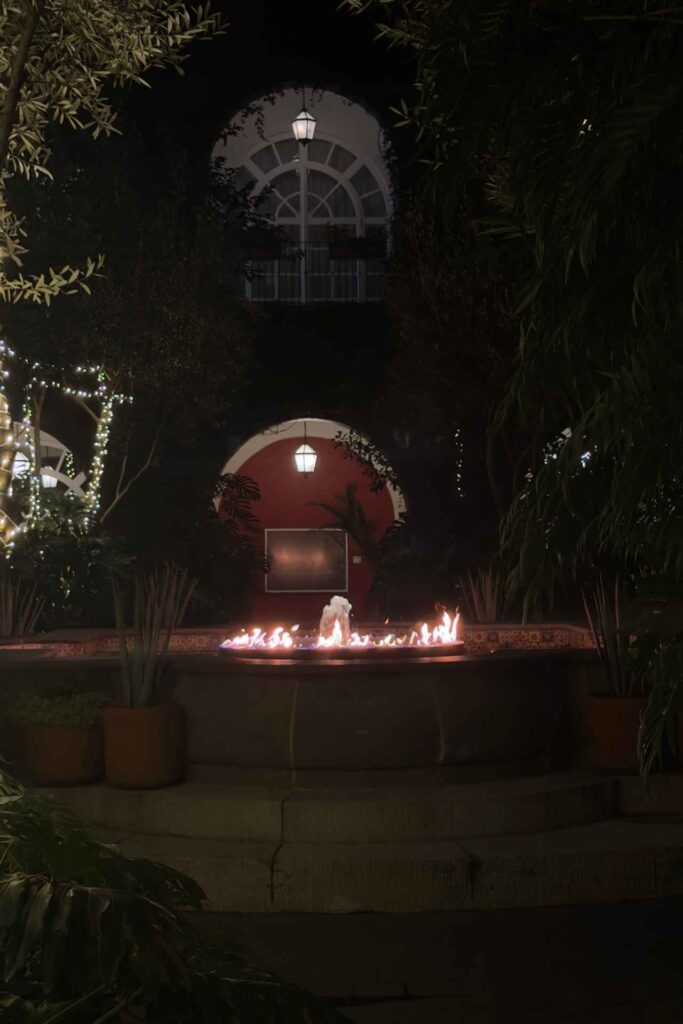
Mexico City is global.
The most interesting concepts don’t pretend otherwise.
But international influence doesn’t have to produce restaurants that could exist anywhere.
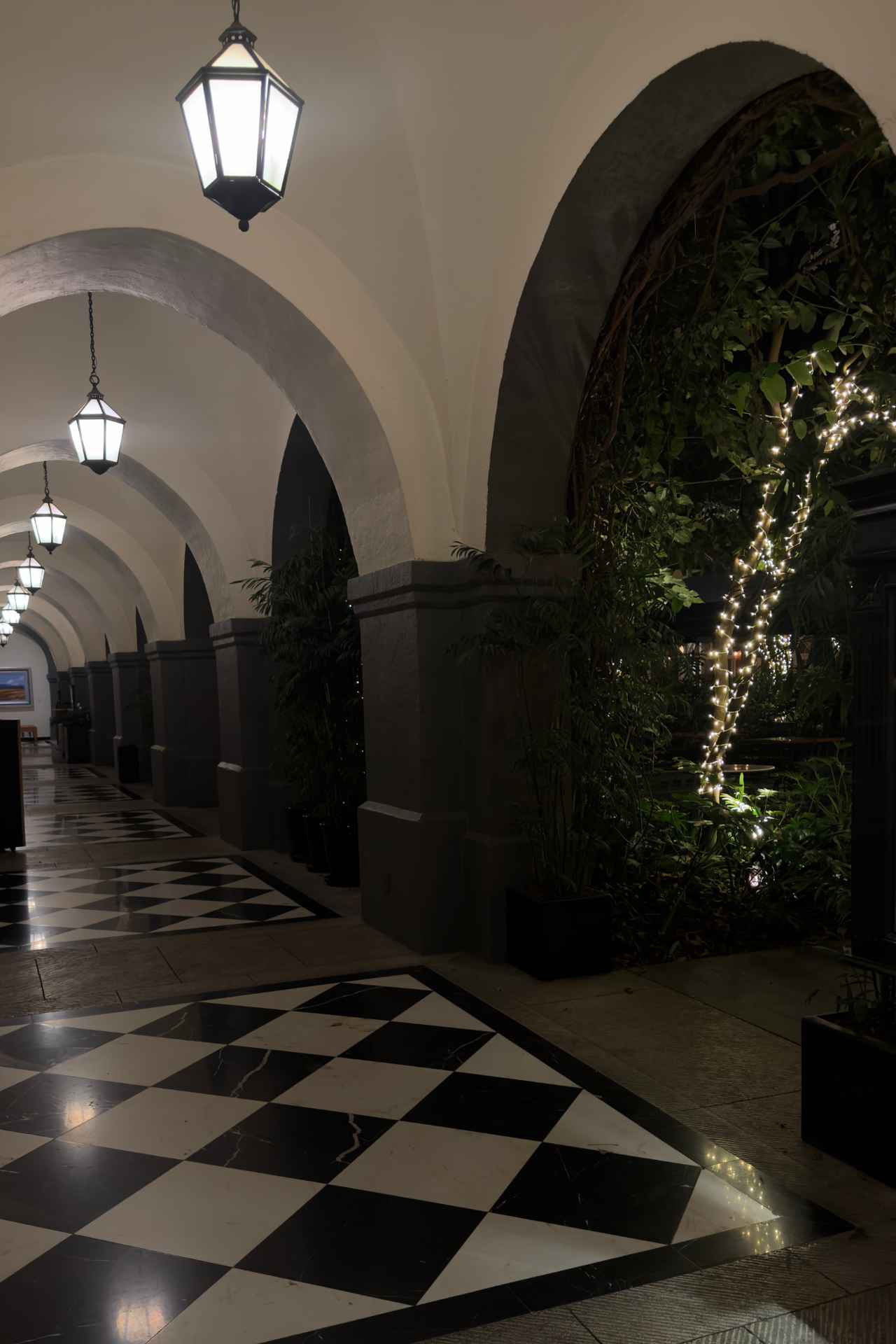
Izakaya Kura is particularly interesting because its Japanese identity exists within the architecture, materials, and social energy of Mexico City.
The research points to a dialogue between Japanese techniques and Mexican materials—including volcanic recinto stone alongside charred wood—as well as architecture designed to accommodate very different dining behaviors within the same space.
That’s more interesting than simply calling something “fusion.”
Worth studying: Cultural crossover is strongest when both influences remain recognizable.
Marmota does this through Pacific Northwest culinary thinking and Mexican agriculture.
OMA combines Japanese omakase traditions with Mexican craftsmanship and seafood sourced from Mexico and Japan.
La Bellezza brings a major European hospitality group’s theatrical Italian identity into its first Latin American location.
Different cultures aren’t being flattened into one aesthetic.
They’re being put into conversation.
Not everything worth studying in hospitality is new.
That may be one of the most important lessons in this entire guide.
El Cardenal dates back to 1969, with its history spanning multiple locations and generations.
Its strength comes from treating Mexican culinary traditions with seriousness rather than reinventing them simply to appear contemporary.
Seasonal chile en nogada, traditional breakfasts, Mexican chocolate prepared tableside, regional ingredients, and formal hospitality have become part of the institution’s identity.
Even its spaces demonstrate different approaches to preservation and contemporary adaptation, including restored historic architecture and newer interventions using materials that reference Mexican craft traditions.
Worth studying: Longevity is a form of branding.

Casa de los Azulejos offers an even larger lesson.
Some hospitality businesses eventually stop functioning merely as businesses and become part of how people experience a city.
Travelers visit them.
Families return to them.
Architecture becomes recognizable.
Memory accumulates.
No social campaign can manufacture that overnight.
Worth studying: The ultimate hospitality brand may be one that becomes part of a city’s collective memory.


Another thread runs through much of the research:
the decline of stiffness.
High-quality hospitality no longer automatically means white-glove formality.
Lardo creates serious food around sharing and a communal bar.
Marmota puts guests beside the fire.
Voraz puts contemporary cooking inside an old mechanic shop.
Kura demonstrates that highly specific Japanese cooking can coexist with a lively, flexible environment.
Your research describes this broader movement as a shift away from rigid exclusivity toward sophisticated but more democratic hospitality.
That distinction matters.
Casual hospitality can still be obsessive about ingredients, architecture, wine, lighting, music, branding, and service.
The guest simply doesn’t need to feel the weight of all that work.
Worth studying: Some of the most sophisticated hospitality feels effortless.
There are two very different ways to use Mexico City itself as part of a restaurant.
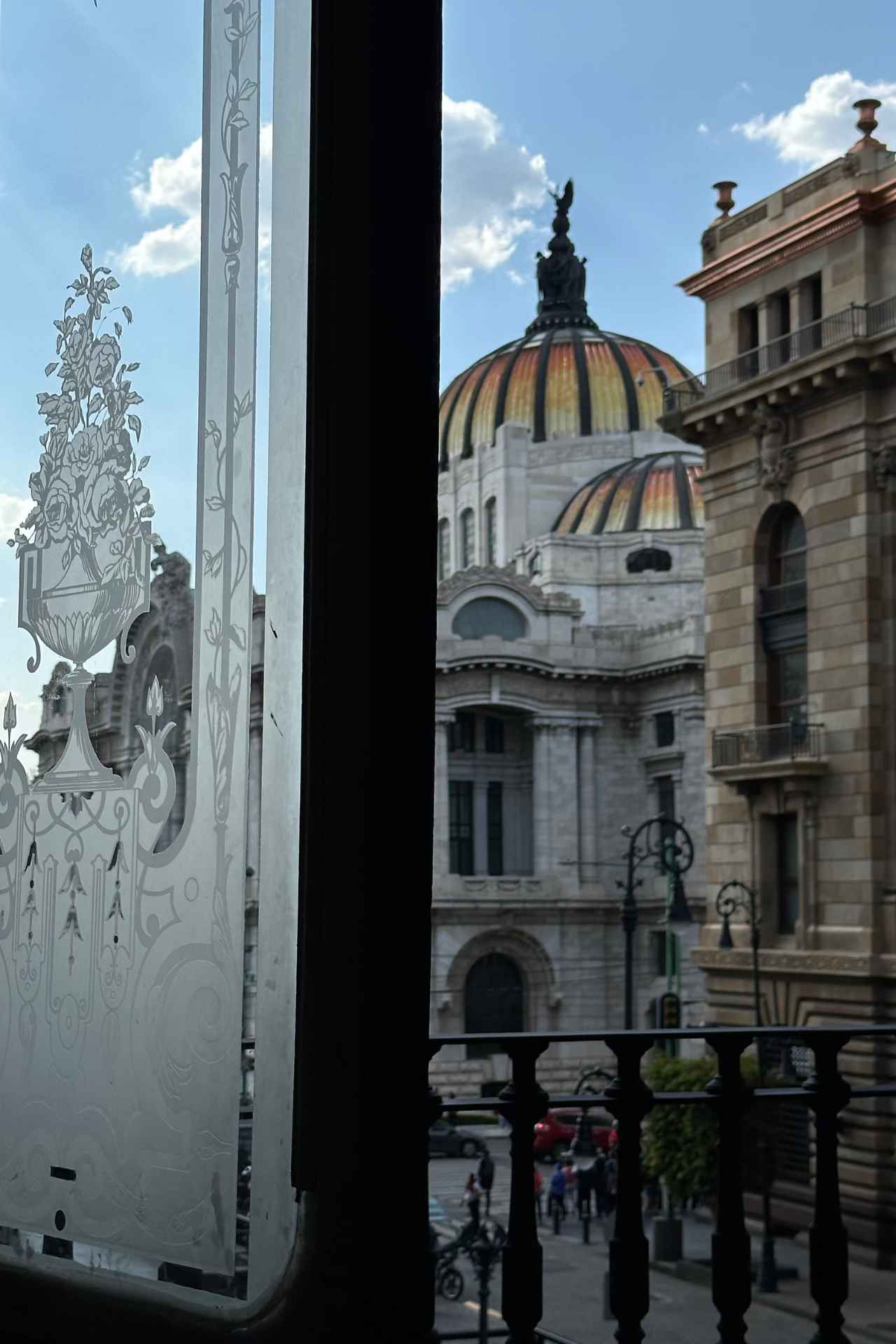
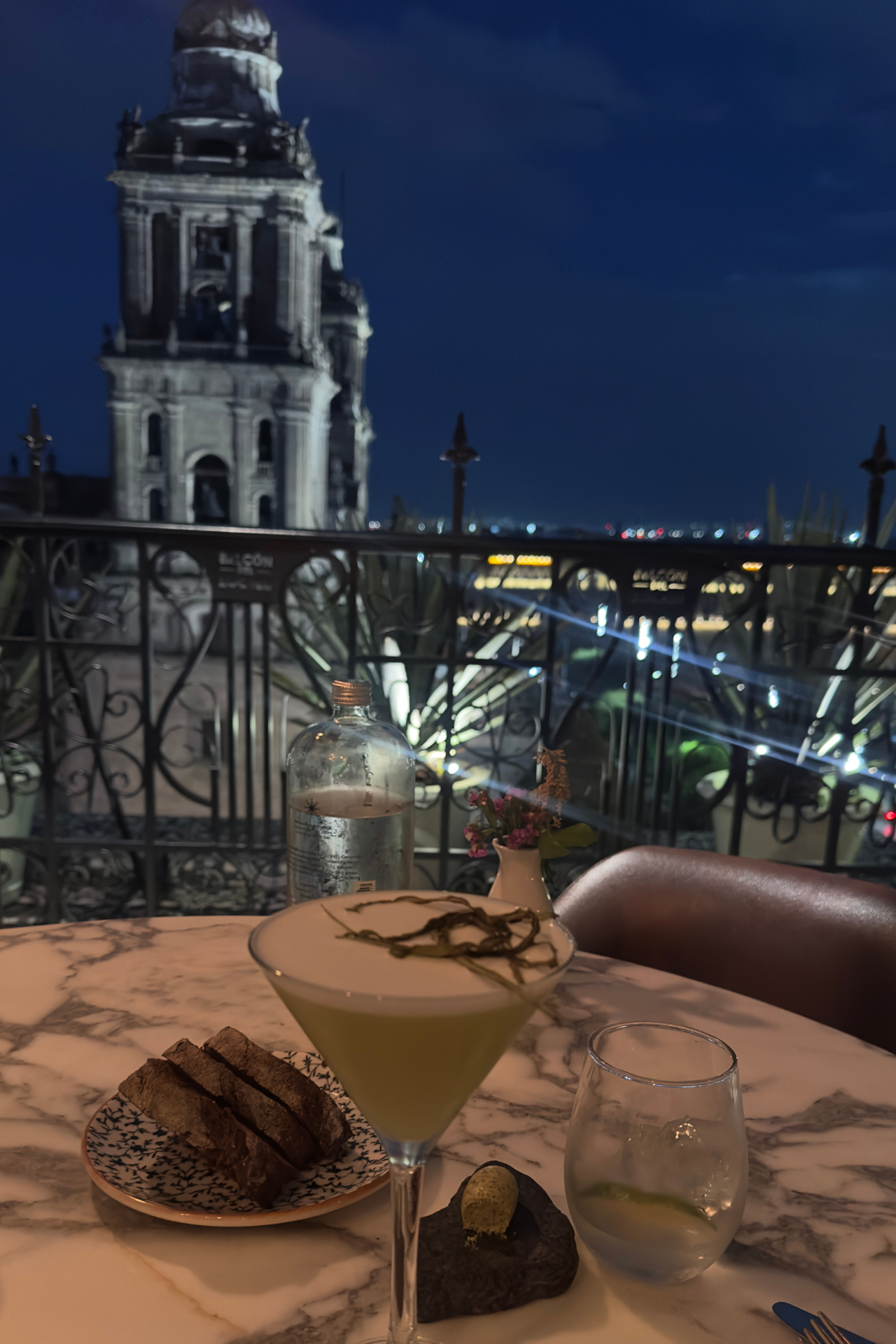
Balcón del Zócalo looks directly into the historic heart of the city.
Ling Ling looks across its contemporary skyline.
One gives you cathedral, plaza, history, and density.
The other gives you Reforma, towers, scale, and modern CDMX.
Neither view needs to be invented by an interior designer.
The hospitality lesson is knowing when not to compete with your greatest asset.
For Balcón del Zócalo in particular, the restaurant combines that extraordinary location with contemporary Mexican fine dining under chef Pepe Salinas rather than allowing the view to become the entire product.
Worth studying: A view gets someone through the door once. The hospitality has to give them a reason to remember everything else.

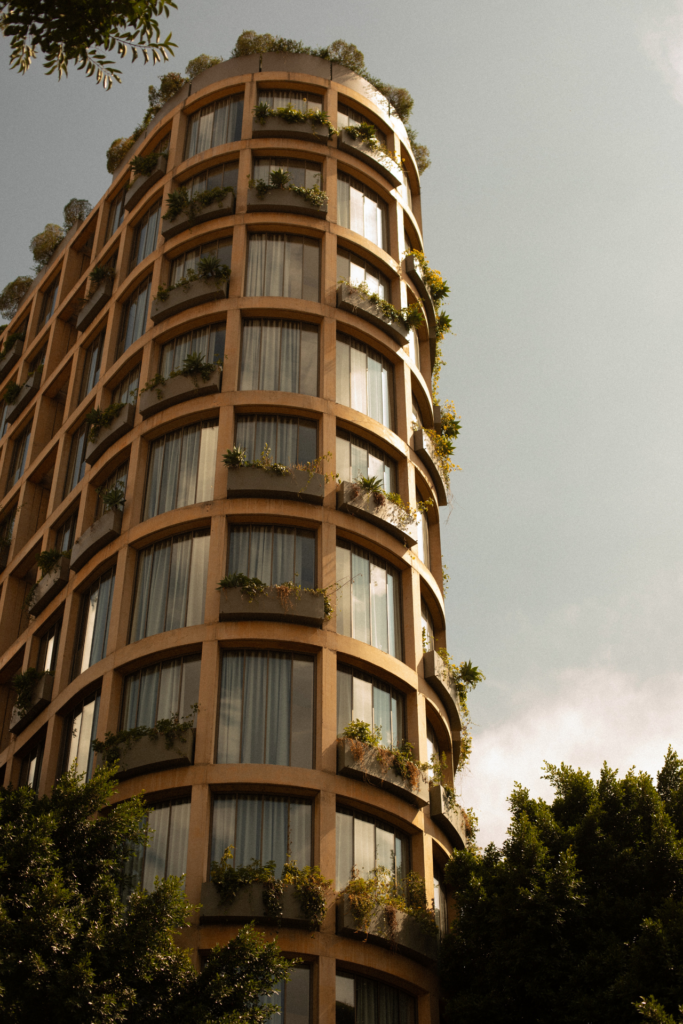
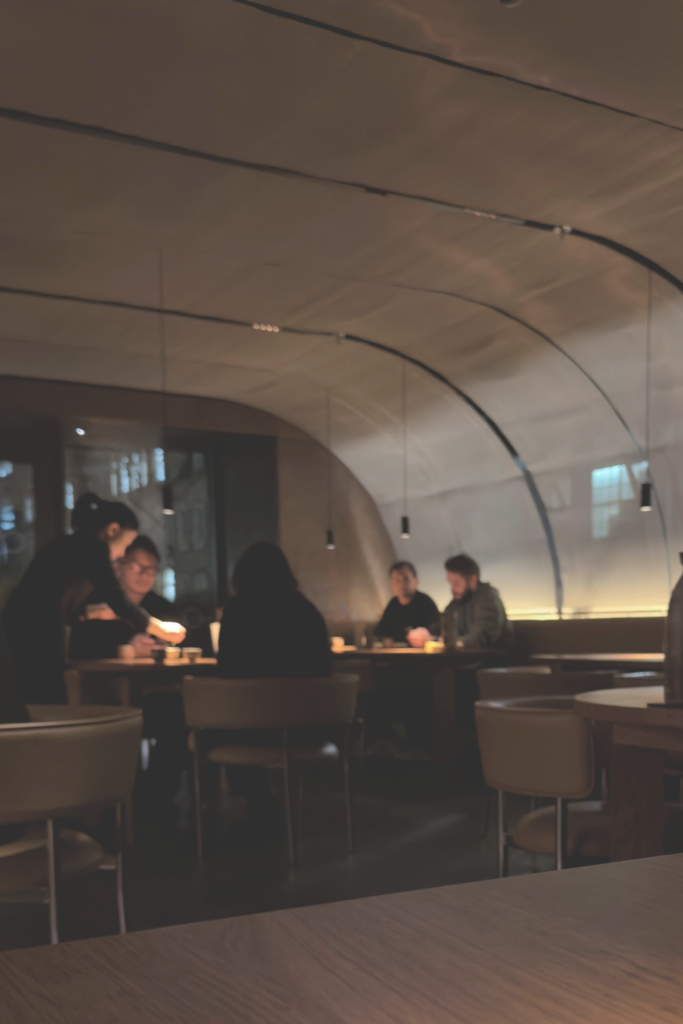
Perhaps the most relevant lesson for us as a creative studio is this:
The strongest hospitality brands don’t stop at visual identity.
TÜT communicates comfort through architecture, greenery, food, coffee, and pace.
Voraz’s brutalist graphic language reflects the former workshop it occupies and the raw energy of its live-fire cooking.
Botánico allows landscape to become its strongest visual identifier.
Choza’s rawness, sound system, waiting experience, food, and fire all reinforce its refusal to behave like a traditional restaurant.
La Bellezza takes theatrical maximalism all the way through the guest experience.
None of these concepts would be fully explained by showing us their logo.
That’s the point.
Worth studying: Brand identity should influence what guests see, hear, eat, touch, photograph, and remember.
If we were using this research as an industry guide rather than a ranking, this is where we’d look:
If you’re studying… | Look at… |
Adaptive reuse | Voraz |
Open kitchens | Marmota |
Nature + hospitality | Botánico |
Micro-luxury / intimacy | OMA |
Maximalist experience design | La Bellezza |
Views + destination dining | Ling Ling |
Neighborhood hospitality | Lardo |
Historic preservation | Casa de los Azulejos |
Music + experiential dining | Choza |
Sense of place | Balcón del Zócalo |
Cross-cultural hospitality | Izakaya Kura |
Tradition + longevity | El Cardenal |
Contemporary café branding | TÜT Café |
After looking at all of these concepts together, the biggest takeaway isn’t a material, aesthetic, menu format, or design trend.
It’s that there isn’t one formula.
OMA makes ten seats feel significant.
La Bellezza embraces excess.
Botánico lets a garden become a dining room.
Marmota lets us watch the kitchen.
Choza makes us wait—and somehow makes the waiting memorable.
Voraz refuses to erase the workshop that existed before it.
El Cardenal proves that tradition doesn’t need to be reinvented to remain relevant.
Casa de los Azulejos demonstrates what happens when hospitality becomes intertwined with a city’s history.
Kura shows how international culinary traditions can exist authentically within Mexico City.
Lardo makes serious food feel like neighborhood dining.
Ling Ling uses the skyline.
Balcón del Zócalo uses history.
TÜT makes slowing down part of the brand.
They aren’t following the same hospitality trend.
What they share is intentionality.
The architecture has a reason.
The food has a point of view.
The service matches the environment.
The branding extends beyond Instagram.
And, at their best, the concepts understand something about the neighborhood, building, culture, or city they occupy.
That may be the most valuable thing Mexico City is teaching us.
The future of hospitality isn’t necessarily about becoming more luxurious.
It’s about becoming more specific.
Hospitality Worth Studying is a PO Studios editorial series examining the restaurants, hotels, cafés, bars, and spaces influencing how we think about hospitality, branding, design, culture, and guest experience.
This isn’t a ranking of what’s best.
It’s a study of what’s working, what’s memorable—and why.
PO Studios Editorial — Mexico City
One note before publishing: I would not treat every claim in your associate’s research as equally verified. The file combines official sources with editorial coverage, social media, review sites, and some broader interpretation. Its own research framework was designed to investigate everything from ownership and architecture to branding, experience, recognition, and CDMX context. For the published version, I’d keep the strong conceptual analysis above but fact-check the handful of concrete claims that carry reputational weight—awards, opening years, architects, ownership, capacities, and historical dates—against primary sources.